Bid-Ask Spread Explained: How It Affects Automated Order Fills
Your strategy fires a buy signal, the order goes in, and it fills a few ticks above the price you saw on the chart. Nothing broke. That gap is the bid-ask sprea...
Read more
Practical notes on automating your strategy — securely, non-custodially, and reliably.

Your strategy fires a buy signal, the order goes in, and it fills a few ticks above the price you saw on the chart. Nothing broke. That gap is the bid-ask sprea...

You automate a strategy, the signal fires, and the order comes back rejected. No fill, no position, just an error code to decode after the moment has passed. Mo...

Your TradingView alert fires, the webhook reaches your exchange, and then nothing happens. The order comes back rejected. One of the most common reasons is the...
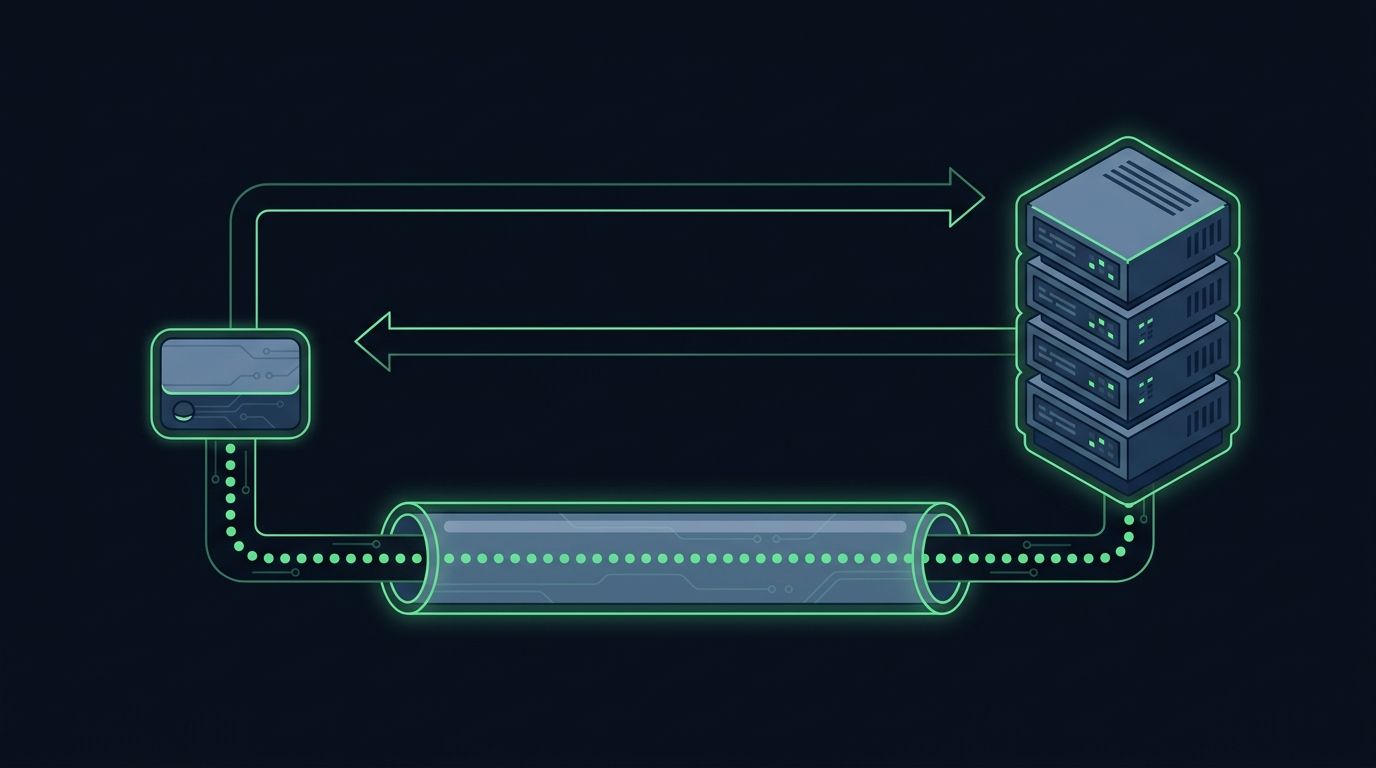
If you are wiring a strategy up to an exchange, one of the first technical forks you hit is WebSocket vs REST APIs on a crypto exchange. Both let your code talk...

You send an order to buy one Bitcoin, and the exchange fills 0.4 of it. The rest sits open, or gets cancelled, or fills seconds later at a worse price. If your...
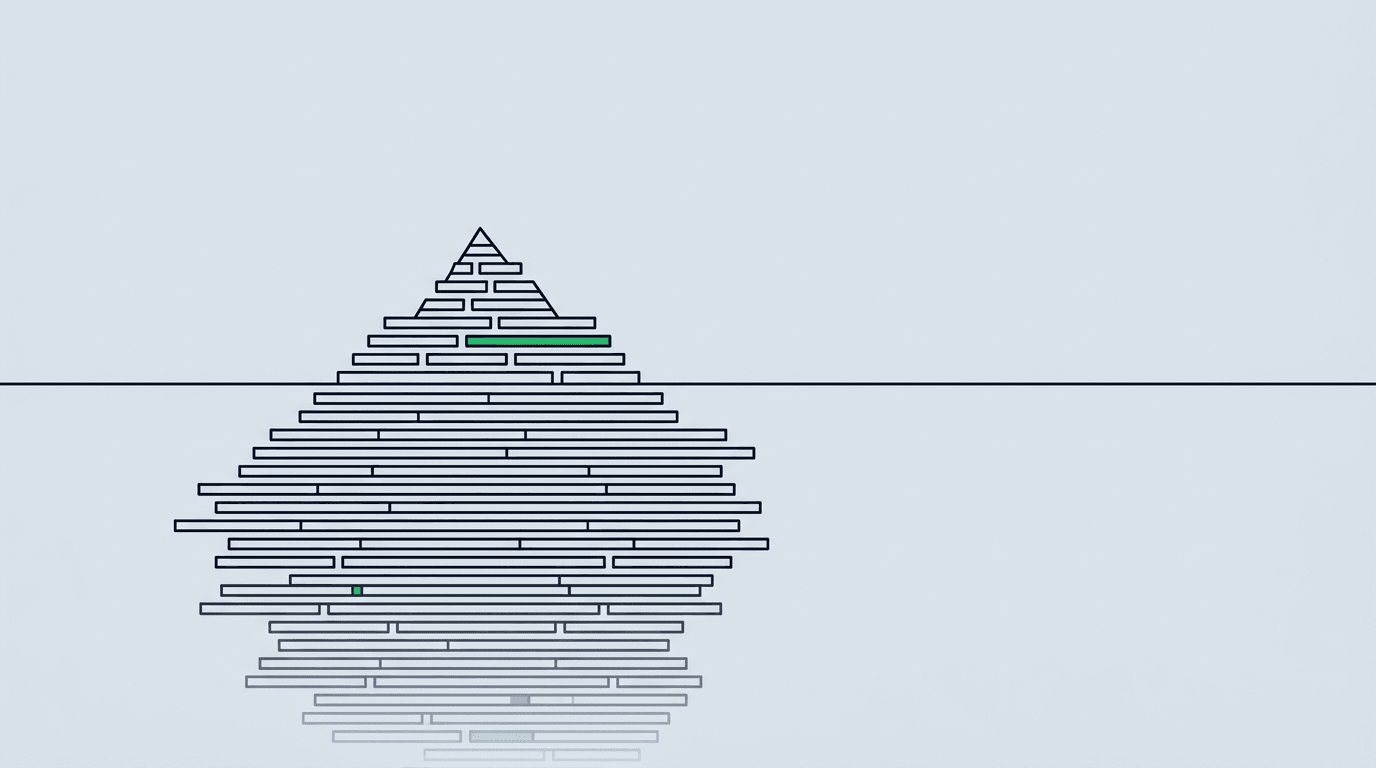
Watch a crypto order book long enough and you will see something odd. A price level shows only a modest amount of size, you send orders into it, and yet the le...

If you trade crypto futures, one number decides how much room a position has before the exchange steps in and closes it for you: the liquidation price. When yo...

If you automate futures trades, the choice of cross margin vs isolated margin in crypto futures is one setting that quietly shapes how much of your account is...
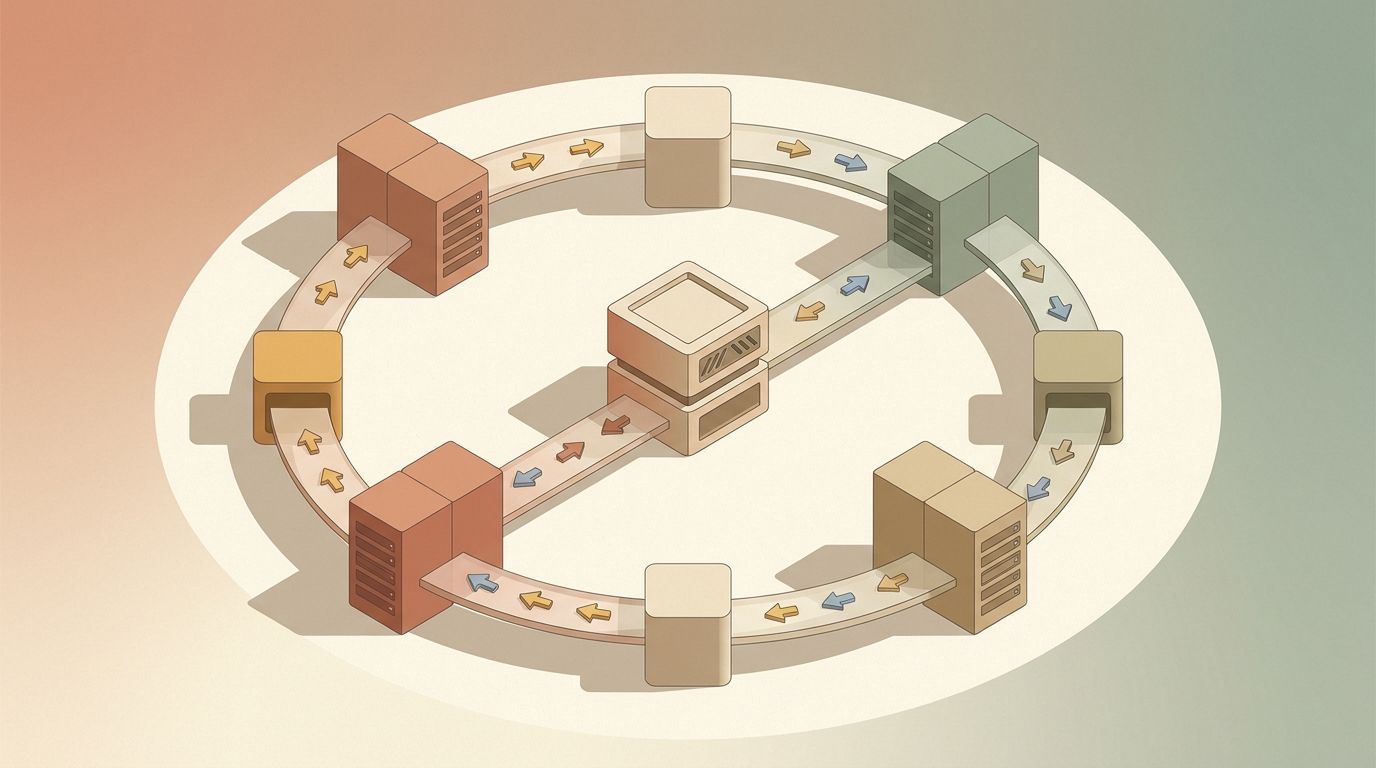
Traditional markets close. Crypto does not. Bitcoin, Ether, and thousands of other pairs trade every hour of every day, including weekends and holidays. That s...
Non-custodial execution. Trade-only API keys. Independent infrastructure built for reliability.
Request Early AccessTrade-only API key enforcement. No withdrawal permissions. No custody.