How to Automate Multiple Trading Pairs From One TradingView Account
Most traders start automation with a single chart: one strategy, one pair, one alert. It works, so you add another pair. Then a third. Soon you want to automat...
Read more
Practical notes on automating your strategy — securely, non-custodially, and reliably.
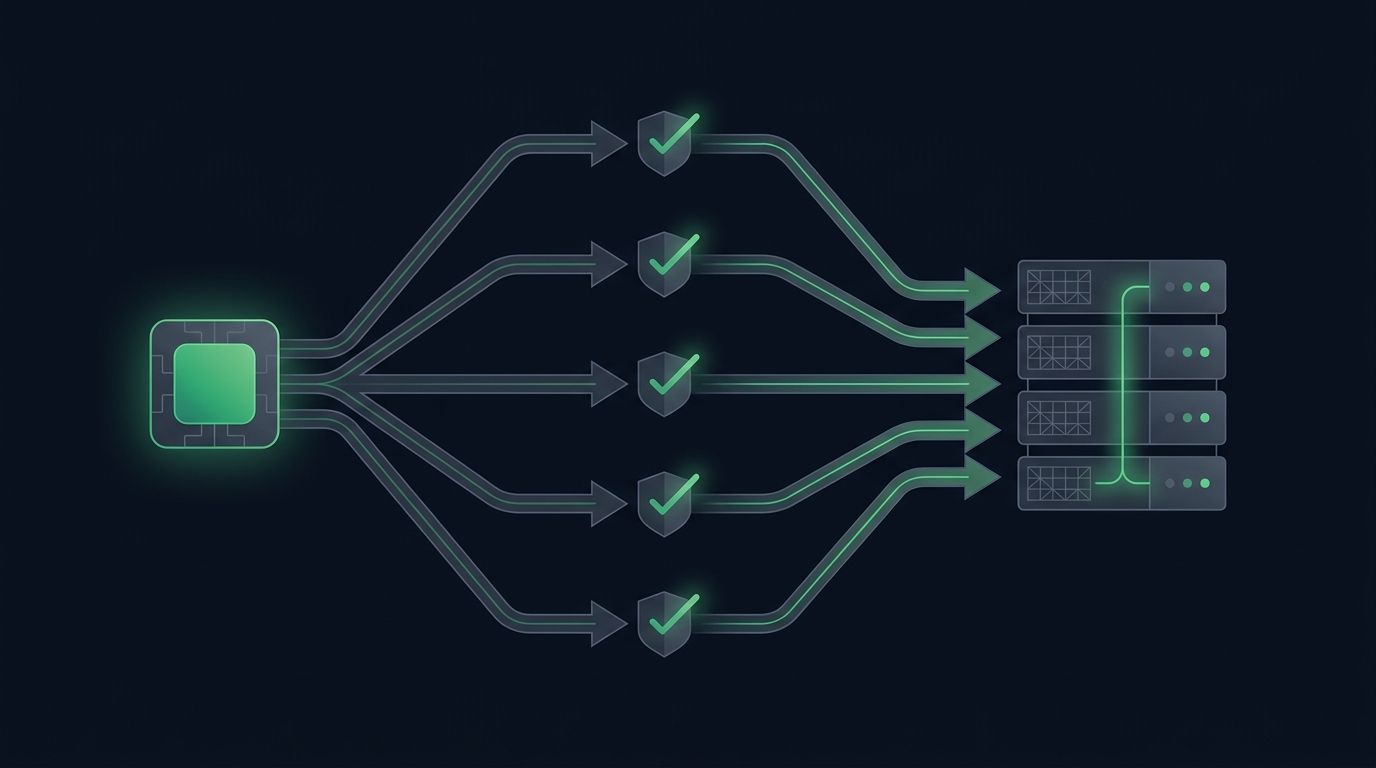
Most traders start automation with a single chart: one strategy, one pair, one alert. It works, so you add another pair. Then a third. Soon you want to automat...
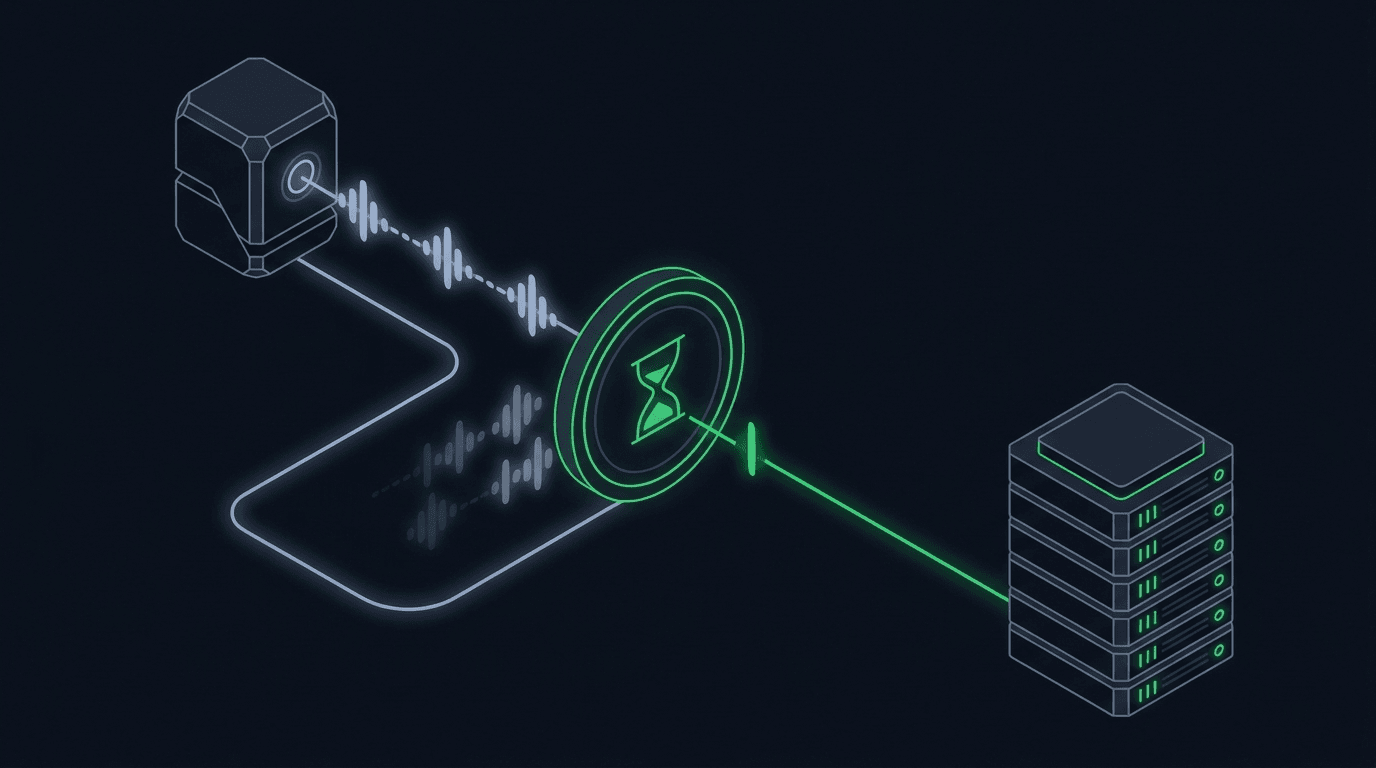
Your strategy is working, alerts are firing, and orders are reaching the exchange. Then the market chops sideways, your indicator flips back and forth across i...
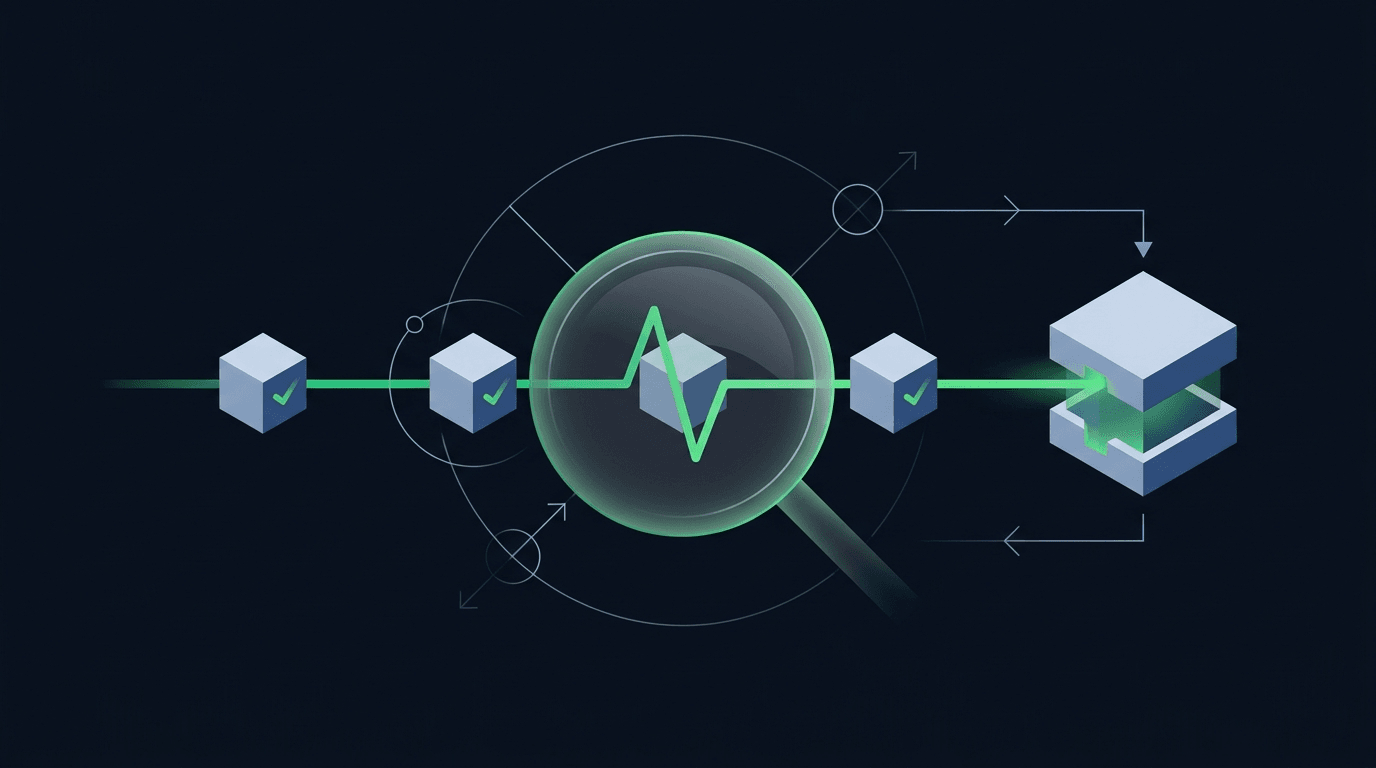
Your strategy printed a buy signal, TradingView flashed the alert, and you moved on. But did an order actually land on the exchange? When you automate trading,...
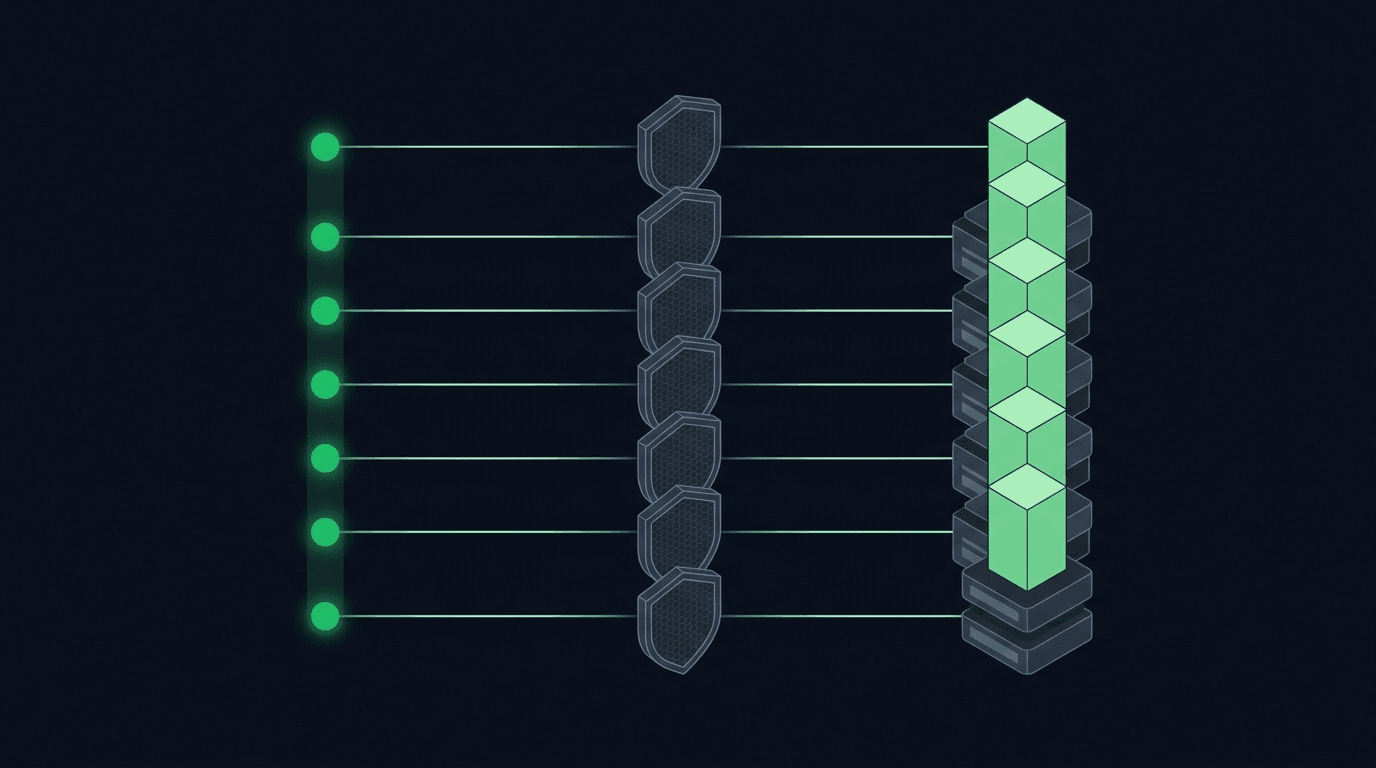
If you run a DCA strategy, TradingView webhook alerts can execute it for you so you are not logging in to place the same buy over and over. Dollar-cost averagi...
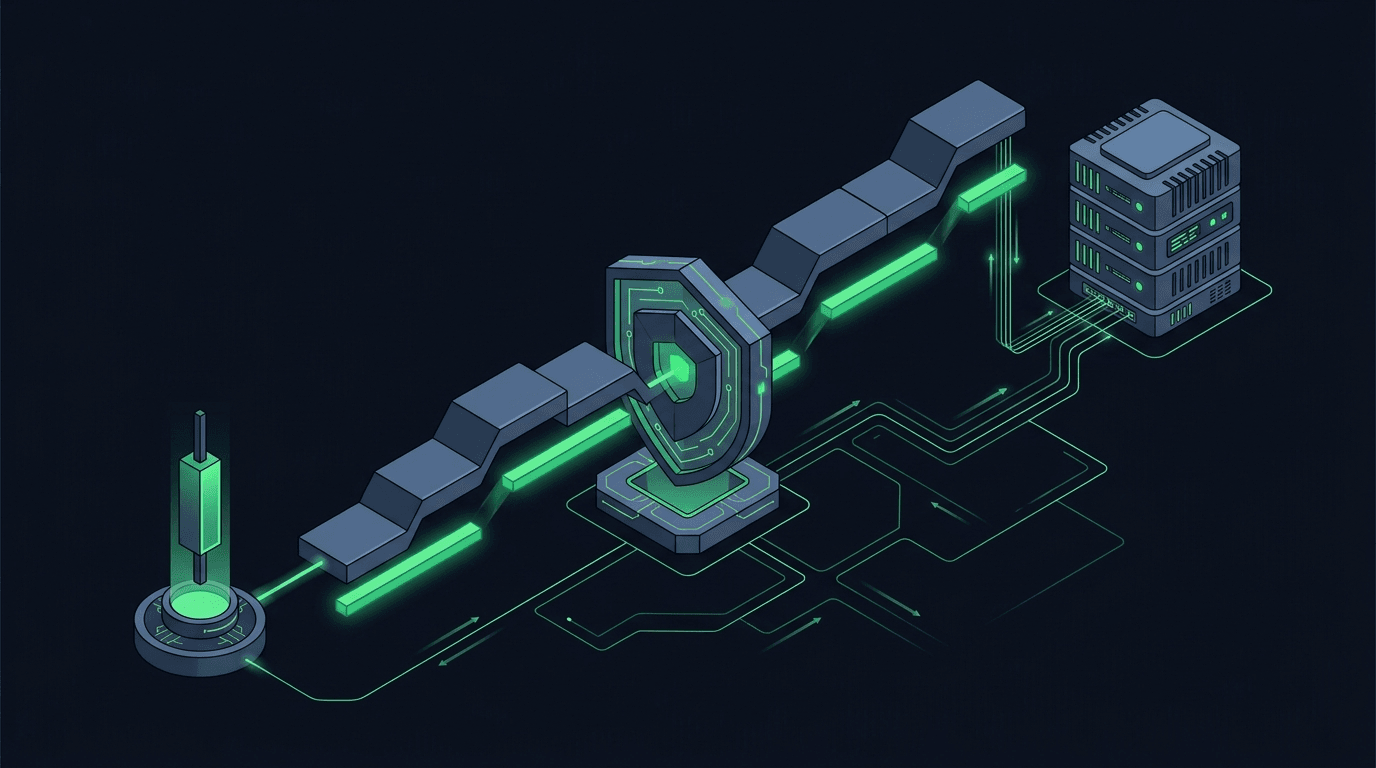
A trailing stop is one of the most requested features in TradingView webhook automation, and also one of the easiest to get wrong. The idea is simple: as price...
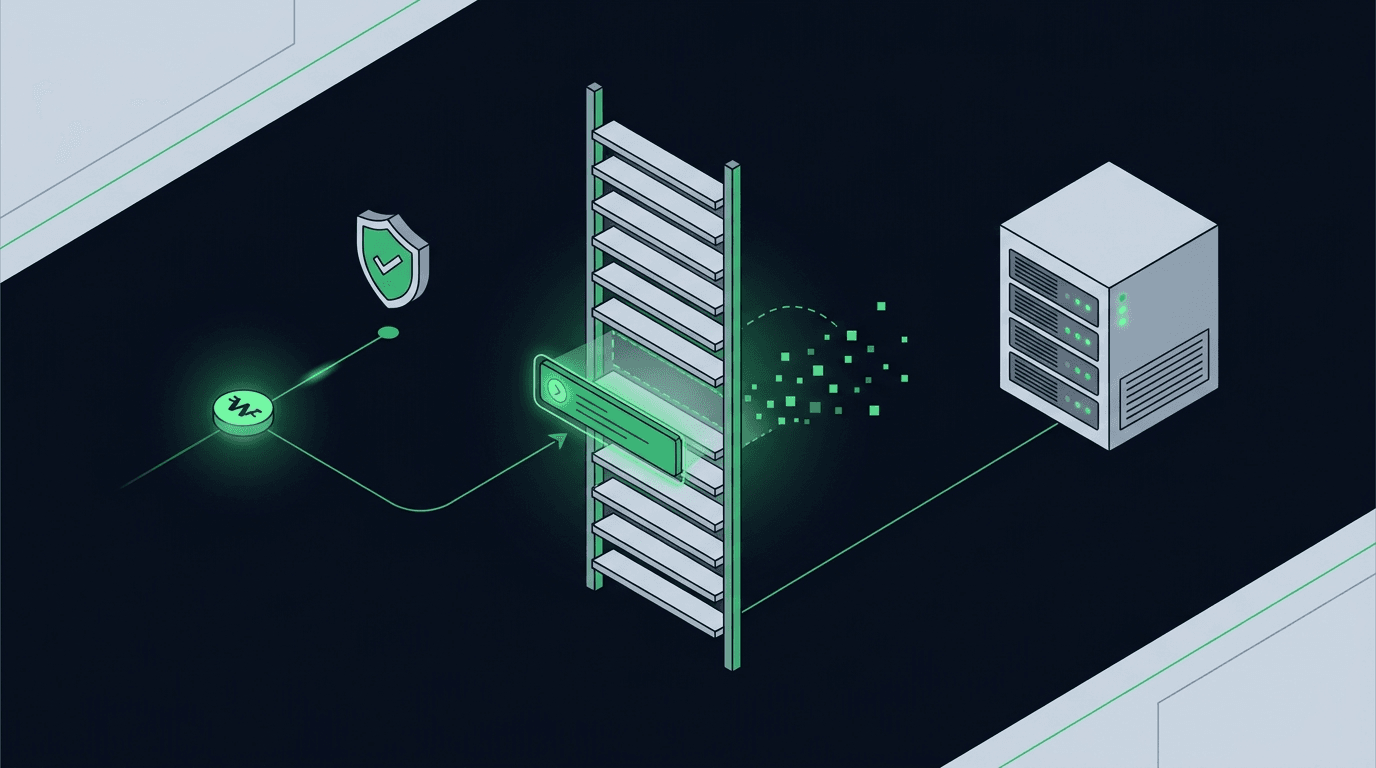
Most automation guides focus on how to open a trade. Far fewer explain how to cancel an open order using a TradingView webhook, and that gap causes real proble...

When your strategy reverses, you rarely want to just close a trade. You want to flip a position from long to short with one TradingView alert, exiting the old...

When you automate trading, your credentials become the crown jewels. A webhook secret proves that an incoming alert is really yours; an exchange API key lets s...
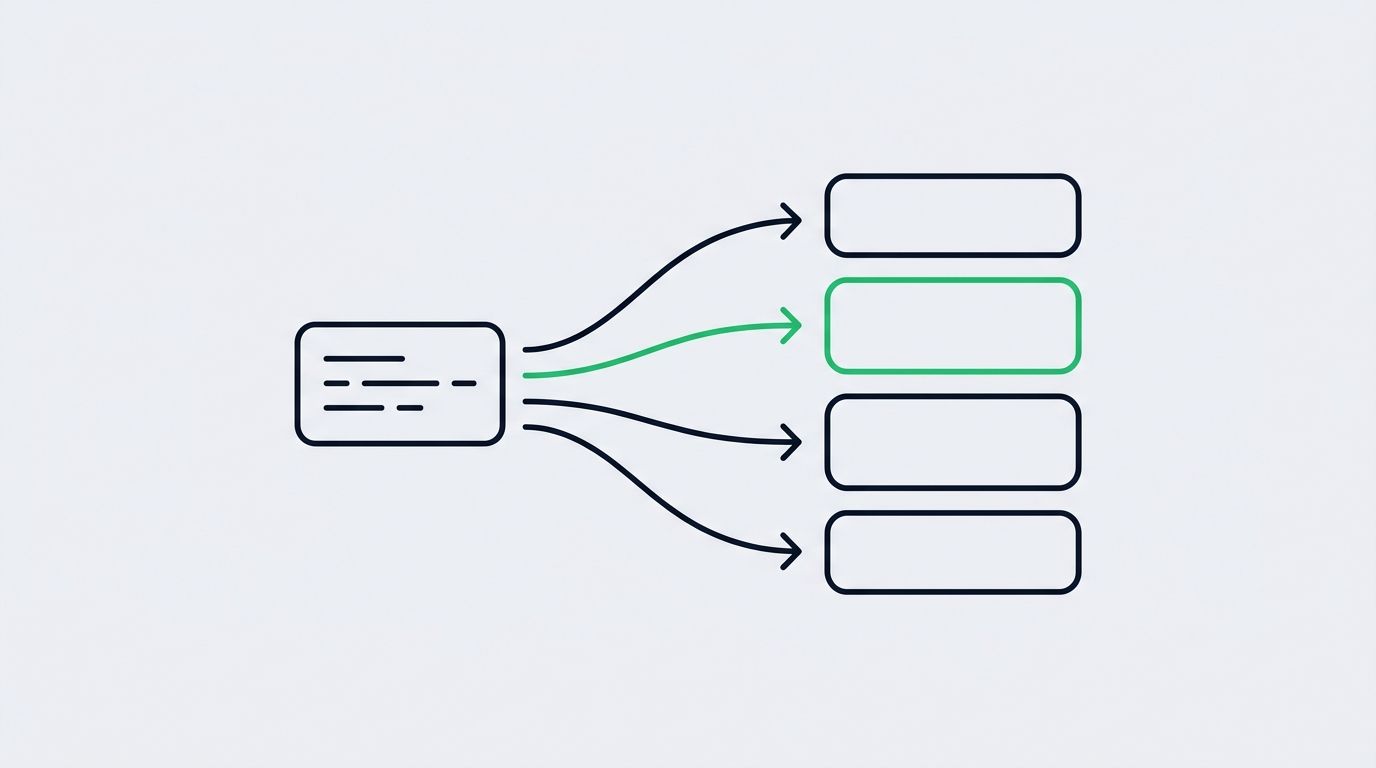
An alert fires on your chart, a webhook goes out, and somewhere downstream an exchange has to decide exactly what to trade. The step in between is where most a...
Non-custodial execution. Trade-only API keys. Independent infrastructure built for reliability.
Request Early AccessTrade-only API key enforcement. No withdrawal permissions. No custody.